
Vanessa Home Health Services
Professional caregivers in one click
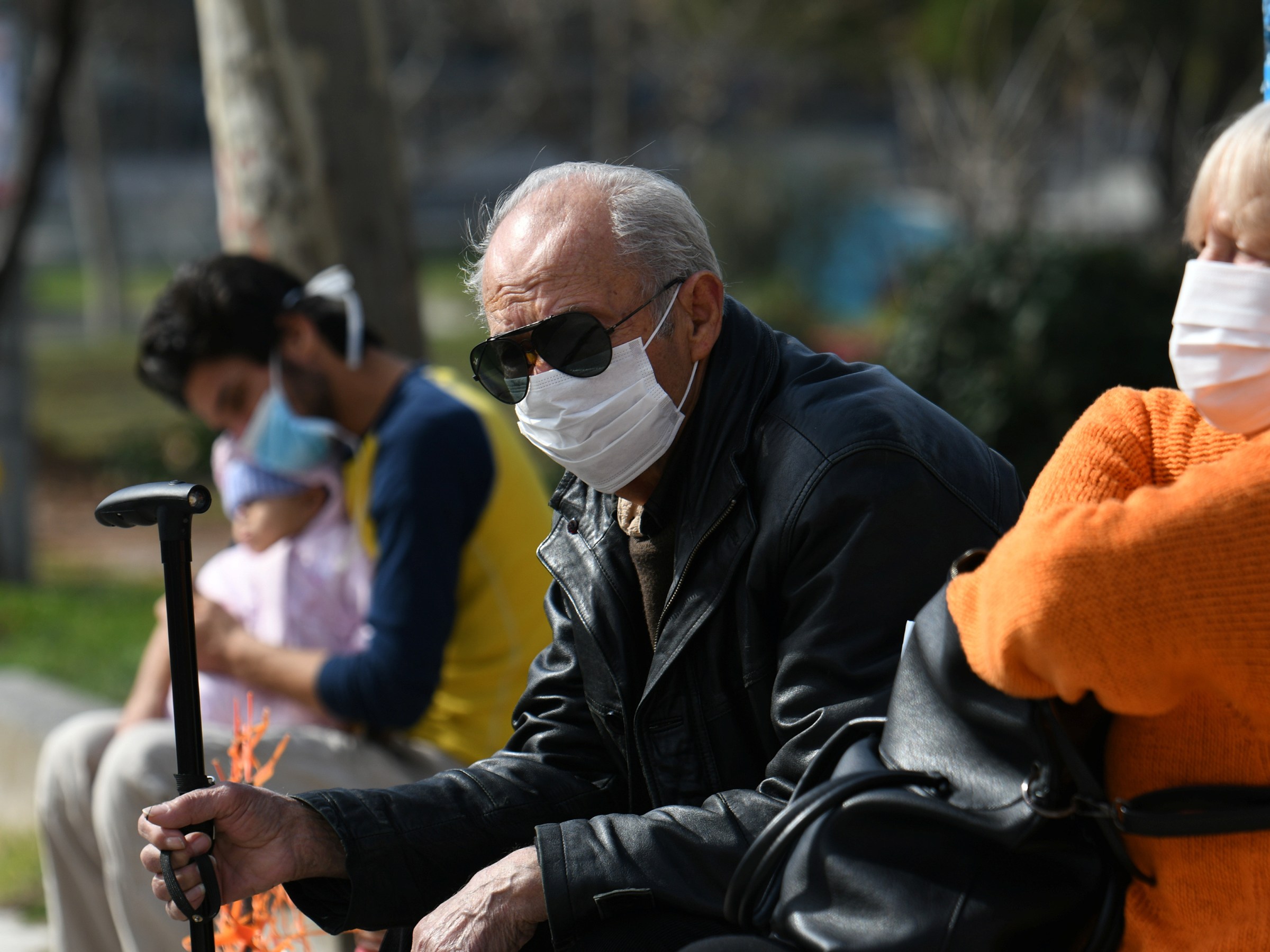
HOW TO PROTECT YOURSELF FROM COVID 19: INSTRUCTIONS FOR OLDER ADULTS
Source: Center for Disease Control and Prevention
https://www.cdc.gov/coronavirus/2019-ncov/
Older adults and people who have severe underlying medical conditions like heart or lung disease or diabetes seem to be at higher risk for developing more serious complications from COVID-19 illness.
Steps to Reduce Risk of Getting Sick
There are things you can do to reduce your risk of getting sick.
- Stay home if possible.
- Wash your hands often.
- Keep space between yourself and others (stay 6 feet away, which is about two arm lengths).
- What You Can Do
- How to Protect Yourself
Stress & Coping
You may feel increased stress during this pandemic. Fear and anxiety can be overwhelming and cause strong emotions. Learn about stress and coping.head side cough icon
Symptoms
Symptoms of COVID-19 can range from mild symptoms to severe illness and death. Symptoms may appear 2-14 days after exposure. Watch for fever, cough, and shortness of breath. Watch for symptoms.clipboard list check icon
Develop a Care Plan
A care plan summarizes your health conditions, medications, healthcare providers, emergency contacts, and end-of-life care options (for example, advance directives). Complete your care plan in consultation with your doctor, and if needed, with help from a family member or home nurse aide.
A care plan can have benefits beyond the current pandemic. You can update your care plan every year, or any time you have a change in your health or medications. Care plans can help reduce emergency room visits and hospitalizations, and improve overall medical management for people with a chronic health condition, resulting in better quality of life.
During the COVID-19 pandemic, having a care plan is an important part of emergency preparedness.
- Guidance on how to develop your emergency preparedness care plan.
- Download a fillable care plan form pdf icon[5 pages]
- Serious Illness Care Program COVID-19 Response Toolkitexternal icon
clinic medical iconSenior Living Facilities
People with loved ones in nursing homes, assisted living facilities, and other types of senior living facilities may be understandably concerned about their loved one’s risk of illness from COVID-19.
To protect these vulnerable friends and family members, CDC has advised that long-term care facilities
- restrict visitors,
- regularly check healthcare workers and residents for fevers and symptoms, and
- limit activities within the facility to keep residents safe.
Older Adults are at Higher Risk
8 out of 10 deaths reported in the U.S. have been in adults 65 years old and older. See below for estimated percent of adults with confirmed COVID-19 reported in the U.S:
| Adults 65 – 84 | Adults 85+ | |
|---|---|---|
| Hospitalizations | 31-59% | 31-70% |
| Admission to intensive care | 11-31% | 6-29% |
| Deaths | 4-11% | 10-27% |
 Vanessa Home Health Services